
How to Clean Black Mold Safely and Effectively in Your Apartment
Black mold is one of the most stubborn and unsettling issues we can face at home. Not only does it look unpleasant, but it also raises real concerns for our health and indoor air quality. When left untreated, it can spread quickly across damp areas like bathrooms, kitchens, or around windows.
That’s why knowing how to clean black mold safely and effectively is so important for apartment living in cities like New York or Chicago. In this guide, we’ll explain the risks of black mold, the safest ways to address small spots on your own, and why turning to professionals ensures your home stays healthy, hygienic, and stress-free.
Understanding the Risks of Black Mold
Black mold, often identified by its dark green or black appearance, thrives in damp and poorly ventilated areas. Bathrooms, kitchens, and window corners are some of the most common places it can appear in an apartment. While it might seem like just another cleaning nuisance, black mold poses more serious concerns.
Exposure to black mold can trigger allergies, asthma flare-ups, and respiratory irritation, especially for people with existing sensitivities. According to the EPA, mold can start growing on damp surfaces within 24 to 48 hours, which means a small patch can quickly turn into a widespread issue if ignored. Beyond health, mold can also damage surfaces, staining grout, tile, and paint, and sometimes weakening porous materials like drywall.
Recognizing black mold early is key. Look out for musty odors, discoloration on walls or ceilings, and small clusters of dark spots that don’t wipe away easily. Once you see these warning signs, it’s important to act fast, either with safe cleaning practices for minor spots or by consulting a professional for larger or recurring mold problems.

Why Professional Cleaning Matters for Mold
Trying to clean black mold on your own can feel like the fastest solution, but it comes with serious limitations. While a DIY approach may help with tiny surface patches, it often fails to address the root cause, moisture and spores hidden beneath the surface. If mold is left untreated or cleaned improperly, it can return quickly and spread even further.
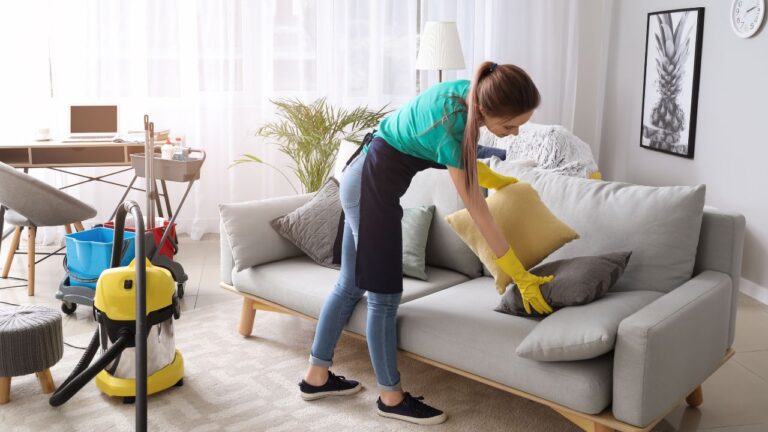
This is where professional cleaning makes a difference. Trained cleaners understand how to sanitize affected areas safely without spreading spores to other parts of the home. At MyClean, our staff are full-time employees, insured, bonded, and professionally trained, so you can trust that they follow strict checklists and proven cleaning methods.

That said, there are limits to what residential cleaning can do. If mold has deeply penetrated walls, ceilings, or large areas, a certified mold remediation specialist should be called. Professionals in remediation handle biohazards, heavy infestations, and structural damage, ensuring your space is safe and mold-free long term.
For everyday prevention and routine hygiene, though, a professional cleaning service provides peace of mind. We not only target visible mold spots but also maintain the cleanliness of high-risk areas, bathrooms, kitchens, and windows, so that mold doesn’t get the chance to return.
Safe Cleaning Practices for Small Black Mold Spots
For small patches of black mold on hard, non-porous surfaces, it’s possible to handle the cleanup safely with the right precautions. Here’s how we recommend approaching it:
- Protect yourself first: Always wear gloves, protective eyewear, and a mask to avoid inhaling spores or making skin contact. Open windows or turn on an exhaust fan to keep the area ventilated.
- Use the right cleaning solution: The EPA advises using detergent and water or an EPA-registered disinfectant for mold cleanup on hard surfaces like tiles, sinks, or countertops. Avoid mixing chemicals, especially bleach with ammonia, as this can create toxic fumes.
- Scrub and wipe carefully: Apply your cleaning solution, scrub the affected area thoroughly with a stiff brush or sponge, and then wipe clean with a damp cloth. Dispose of used cleaning materials in a sealed bag to prevent spores from spreading.
- Dry the area completely: Moisture is the main factor behind mold growth. Once the surface is cleaned, use a dry cloth or fan to remove excess moisture so the mold does not return.
- Limit to non-porous surfaces only: Do not attempt to clean black mold from drywall, wood, or fabric on your own, these porous materials can harbor spores beneath the surface. In these cases, professional cleaning or remediation is needed.

By sticking to these steps, small mold spots can be safely managed at home. Still, if you notice that the mold reappears or spreads quickly, it’s time to bring in professional support for a deeper, safer solution.
What Not to Do When Cleaning Black Mold
When it comes to trying to clean black mold, it’s just as important to know what not to do. Certain common mistakes can actually make the problem worse or create health hazards:
- Don’t misuse bleach: Bleach may seem like a quick fix, but it isn’t always effective on porous surfaces like wood, drywall, or grout. It can mask stains temporarily while leaving mold spores alive beneath the surface, allowing regrowth.
- Don’t ignore protective gear: Skipping gloves, masks, or eye protection exposes you to mold spores, which can irritate your skin, eyes, and respiratory system. Always treat mold as a potential health risk.
- Don’t scrub without containment: Vigorous scrubbing without controlling airflow can release spores into the air and spread mold to other areas of your home. That’s why ventilation and safe disposal of used cloths or sponges are key.
- Don’t paint over mold: Covering mold with paint or caulk doesn’t solve the problem, it traps moisture inside, encouraging mold to keep growing unseen.
- Don’t attempt large infestations alone: If mold covers more than 10 square feet, the EPA recommends seeking professional remediation. DIY efforts at that scale are unsafe and rarely effective.
Avoiding these mistakes ensures that small mold problems stay manageable and don’t spiral into bigger health and maintenance issues.

Preventing Mold from Coming Back
The key to stopping black mold from returning is controlling moisture in your home. Mold thrives in damp, poorly ventilated environments, so keeping humidity levels low is essential. Using a dehumidifier, running exhaust fans in kitchens and bathrooms, and repairing small leaks quickly all help eliminate the conditions mold needs to grow. Even something as simple as leaving a bathroom door open after a shower can make a difference in reducing trapped moisture.
Routine cleaning also plays a major role in prevention. By disinfecting sinks, shower tiles, and windowsills, we can stop spores from settling and spreading. Surfaces should always be dried completely after scrubbing or mopping, since lingering moisture allows mold to reappear.
Staying alert to early warning signs, like musty odors or small dark spots, makes it easier to take action before the problem grows. With consistent upkeep, mold prevention becomes a natural part of maintaining a clean and healthy home.

How MyClean Keeps Your Home Healthy
At MyClean, we understand how frustrating and unsettling it can be to deal with mold in your apartment. That’s why our cleaning teams focus on prevention and maintenance. By scrubbing, disinfecting, and drying surfaces thoroughly, we help eliminate the conditions where mold thrives while also ensuring your home feels fresh and hygienic. Our cleaners are trained to follow detailed checklists that cover every corner of your space, so you don’t have to worry about spots being overlooked.
We also go beyond routine cleaning by creating an effortless customer experience. With easy online booking, cashless payments, and flexible scheduling, it only takes minutes to arrange a deep clean tailored to your needs. Our commitment to professionalism and consistency means you can trust us to maintain the highest hygiene standards while respecting your time and privacy.