
What Is Mold and Why Does It Grow in Homes?
Keeping a clean apartment in the city is not just about appearances, it is about maintaining a healthy and comfortable living space. One of the most common, yet overlooked, issues we face in urban homes is mold. Mold can appear silently in corners, bathrooms, or even behind furniture, and if left unchecked, it can spread quickly. More than just an eyesore, mold affects indoor air quality, damages surfaces, and can impact our health.
At MyClean, we believe prevention starts with understanding. Knowing what mold is, why it grows, and how to stop it is the first step toward creating a safe and hygienic home. In this guide, we break down the science behind mold, its risks, and the best ways to prevent and clean it, so you can enjoy your space without worry.
Understanding Mold: What It Really Is
Mold is a type of fungus that thrives in damp and humid environments. It spreads through microscopic spores that travel easily through the air and settle on surfaces. Once these spores find the right conditions such as moisture, warmth, and organic material, they begin to grow and multiply.
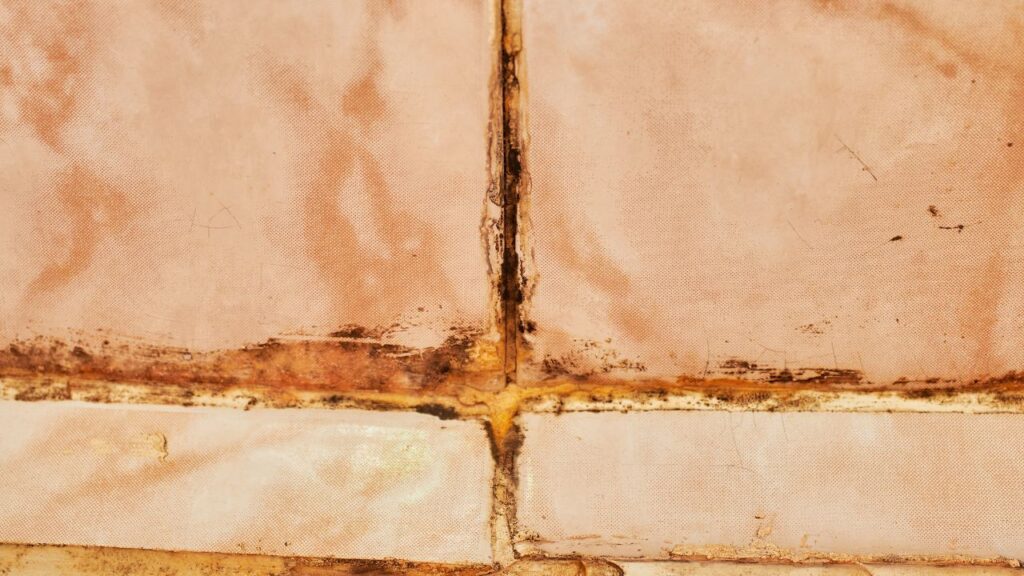
Inside homes, mold often appears as dark spots on walls, ceilings, or bathroom tiles. It can also take the form of fuzzy patches on fabrics, carpets, or wood. While there are many different species of mold, they all share the same need for moisture and nutrients to survive.
What makes mold particularly challenging is how quietly it develops. In many cases, it grows in hidden areas like behind walls, under sinks, or inside HVAC systems before it becomes visible. By the time mold is noticed, it may already have spread further than expected.

Why Mold Thrives in Homes
Mold grows wherever moisture lingers. Apartments and houses naturally create the perfect environment through daily routines such as cooking, showering, or doing laundry. Without proper airflow, steam and condensation can settle on surfaces and feed mold growth.
Water leaks are another common trigger. A dripping faucet, a pipe hidden inside the wall, or even a poorly sealed window can allow constant dampness. Once moisture seeps into wood, drywall, or fabrics, it becomes very difficult to dry out completely, giving mold the chance to spread.
Poor ventilation plays a major role as well. Small city apartments often have limited airflow, which traps humidity indoors. Bathrooms without fans or kitchens without strong exhaust systems are especially vulnerable. Even storing wet clothes in closed spaces can encourage mold to form.

Health Risks of Mold Exposure
Mold is not just a cleaning concern, it is a health concern. When spores spread into the air, they can be inhaled and cause reactions in sensitive individuals. Common symptoms include sneezing, coughing, irritated eyes, and skin rashes. For people with asthma or allergies, mold can trigger more serious respiratory issues.
Long-term exposure is even more concerning. Living with mold can lead to chronic sinus problems, fatigue, and in rare cases, infections. Children, older adults, and anyone with a weakened immune system are at higher risk.
In city apartments, where space is limited and ventilation is often poor, the effects of mold can become noticeable more quickly. Addressing mold early is essential not only to protect surfaces but also to safeguard the health of everyone living in the home.

How to Spot Mold Early
Catching mold early prevents it from spreading and becoming harder to clean. The most obvious signs are dark or discolored patches on walls, ceilings, or bathroom grout. These spots may look green, black, or brown, depending on the type of mold.
Another giveaway is a musty odor. Even if mold is not visible, a persistent earthy smell often points to hidden growth behind walls, under carpets, or inside closets.
Mildew, a surface-level fungus, can sometimes be confused with mold. Mildew usually appears as light gray or white film on tiles and fabrics. While it is easier to wipe away, mildew can still signal that conditions are right for more stubborn mold to develop.
Checking high-moisture areas regularly, such as under sinks or around windowsills, helps spot mold before it spreads further.
Effective Mold Prevention Strategies
Preventing mold starts with controlling moisture. Using a dehumidifier in damp rooms or running an exhaust fan while cooking and showering helps keep humidity under control. Aiming for indoor humidity levels below 50 percent makes it harder for mold to grow.
Regular cleaning also plays an important role. Wiping down bathroom tiles, scrubbing sinks, and disinfecting high-touch surfaces reduce the buildup of moisture and organic material that mold feeds on. Kitchens and bathrooms are key areas where consistent maintenance makes a big difference.
Safe cleaning products matter as well. Green solutions and EPA-approved disinfectants sanitize surfaces without releasing harsh chemicals into the air. These options protect both the home environment and the people living in it.
Finally, staying proactive with small habits like drying wet clothes promptly, fixing leaks right away, and keeping air flowing with fans or open windows helps prevent mold from ever taking hold.

Maintaining a Mold Free Home
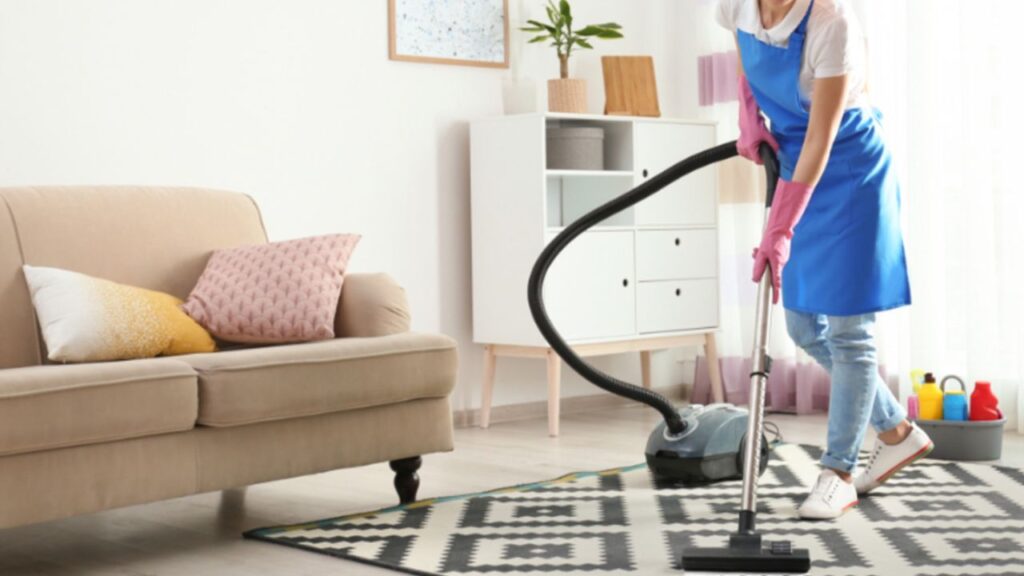
Keeping mold away is easier with consistent habits. Regular cleaning routines such as vacuuming carpets, mopping hard floors, and wiping windowsills prevent moisture and dust from building up. Small steps taken weekly can stop larger issues from developing.
Seasonal checks are also valuable. Inspecting areas around windows, under sinks, and inside closets during humid months helps catch problems before they spread. Using air purifiers and keeping fans running in stuffy rooms further supports good airflow.
For young professionals and students living in compact apartments, staying organized is part of prevention. Avoid stacking damp clothes, rinse and dry dishes promptly, and keep bathroom surfaces polished after showers. These habits not only control mold but also keep the space fresher and more comfortable year round.
Take Action for a Healthier Home
Mold is a common issue, but it does not have to take over a home. With the right knowledge and consistent habits, anyone can prevent mold from spreading and protect their living space. When the problem goes beyond surface cleaning, professional support ensures a safe and thorough solution.
MyClean specializes in creating healthy, spotless homes using eco-friendly products and professional standards. From routine maintenance to deep cleaning of high-moisture areas, the service helps residents enjoy a mold free environment without stress.